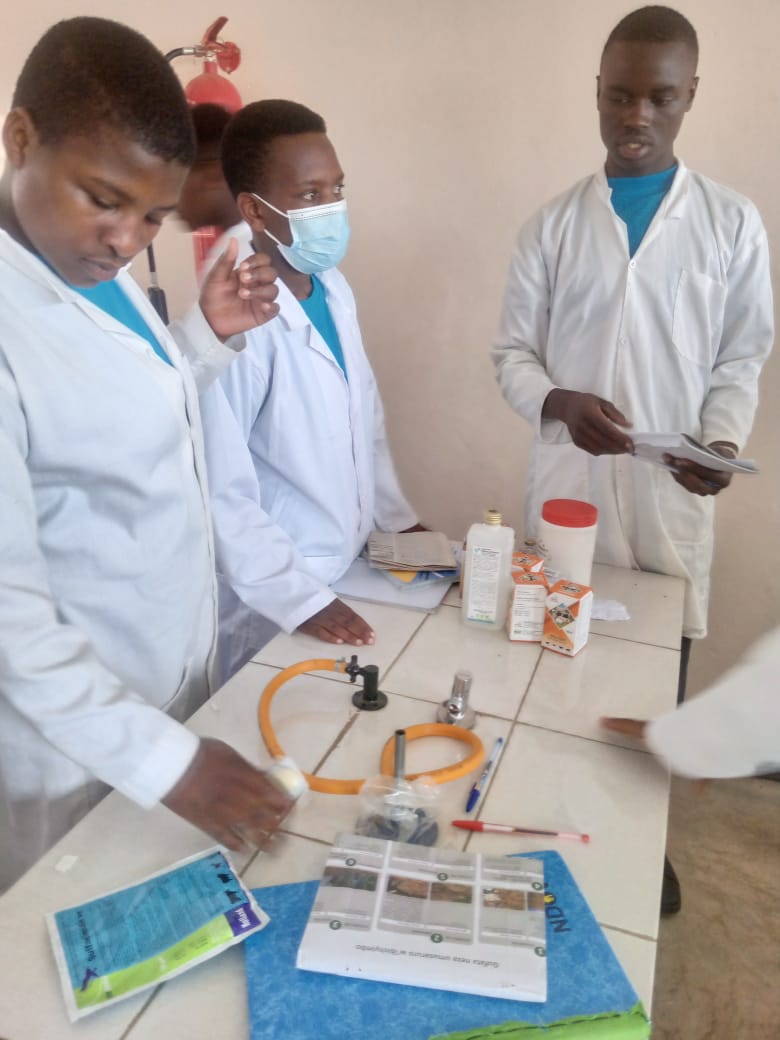
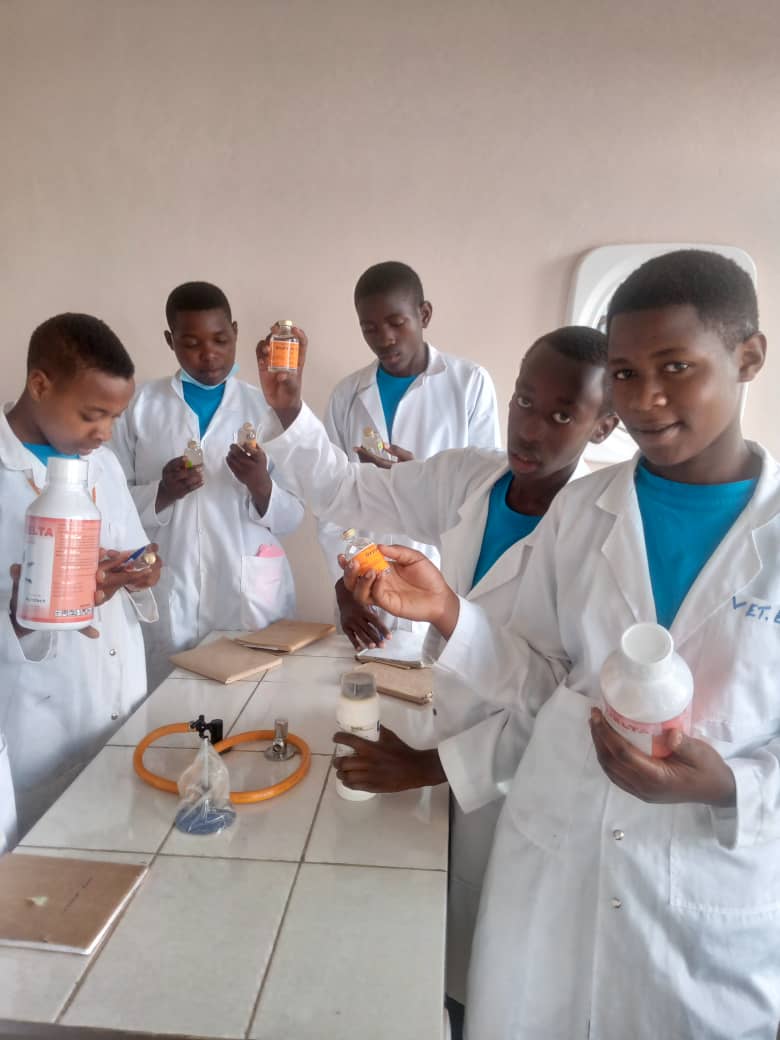
Kisaro TSS Animal Health students gain skills in livestock care, veterinary practices, and animal disease control.
Students practicing livestock treatment
KISARO TSS Animal Health Students
Students feeding and managing animals
KISARO TSS Animal Health Students
Kisaro TSS Animal Health students are trained in livestock production, disease prevention, and veterinary practices.
They participate in fieldwork such as treating animals, vaccinating livestock, and ensuring proper care.
This prepares them to contribute effectively to food safety, public health, and sustainable livestock production in their communities.
Kisaro TSS Animal Health students specialize in the trade of livestock products alongside their technical studies. They learn how to treat, manage, and care for animals while also understanding the economics of selling products like milk, meat, and eggs. This training combines veterinary science with agribusiness, preparing them to work as livestock managers, veterinary technicians, or entrepreneurs.
Animal Health Trade
Our teachers provide both theoretical and practical animal health education.
Head of Department in Animal Health
Animal Health HOD
MUHOZA Olivier
0788580638
Animal Health teachers and students statistics
Numbers of teachers: .......
Numbers of students: ......
Here are some useful tips in Animal Health Trade for Kisaro TSS students:
✔ Practice good hygiene and biosecurity in animal farms.
✔ Monitor animal health regularly and prevent diseases.
✔ Provide balanced nutrition to increase livestock productivity.
✔ Keep vaccination schedules updated.
✔ Save profits and reinvest in improving animal facilities.
Students Top Projects
Our students engage in hands-on veterinary and livestock management projects.
Practical veterinary training project
Project 1
Livestock management and feeding project
Project 2
Project 3 – Veterinary health outreach in local communities.